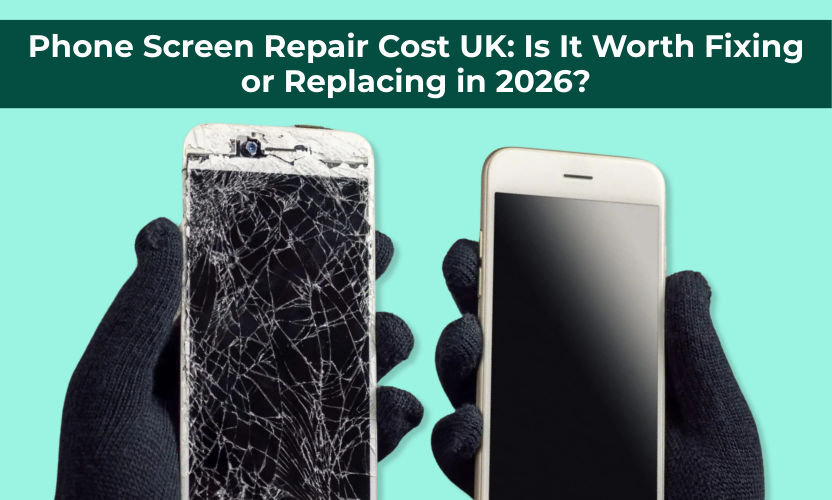
A cracked phone screen can feel like a costly mistake, but the real question is whether the repair bill is as bad as you think. If you’re searching phone screen repair cost UK, you’re not alone. Screen damage is still one of the most common smartphone problems in the United Kingdom, and at Gadgets n Repair we see it every week, cracked glass, touch issues, black spots, and screen flickering after a drop.
This guide breaks down how much it costs to repair a phone screen in 2026, why prices vary (iPhone vs Samsung Galaxy vs Google Pixel), and how to decide whether it’s smarter to fix your phone or replace it.
Phone screen repair cost UK: Average prices in 2026
So, how much is it to repair a phone screen in real terms? Across the UK, many screen repairs fall between £60 and £485, depending on the brand and model. A typical “average” you’ll see quoted is around £215, but treat that as a midpoint not a rule because screen type (OLED/AMOLED/LCD) and phone design change the cost fast.
Estimated 2026 screen repair prices (UK ranges)
| Manufacturer | Model | Estimated Screen Repair Cost |
|---|---|---|
| Apple | iPhone 15 | £340–£360 |
| Apple | iPhone 14 | £130–£300 |
| Samsung | Galaxy S24 | £195–£240 |
| Samsung | Galaxy S23 | £210–£250 |
| Pixel 7 | £125–£295 | |
| Xiaomi | Mi 9T | £60–£160 |
Quick takeaway: newer Pro / Ultra / flagship phones usually cost more because they use premium display panels and tougher glass. Older or mid-range Android models are often more affordable at a local repair shop.
Why does phone screen repair cost vary so much?
Screen repair prices are not random. They depend on a few big factors.
1) Brand and model
Newer flagship devices from Apple, Samsung, and Google Pixel use advanced display panels with high resolution and stronger glass protection. As a result, replacement parts cost more and installation can take longer. A basic screen on an older phone may be straightforward, while a newer model may require more careful work and extra sealing steps.
2) Display technology: OLED, AMOLED, or LCD
This is one of the biggest price drivers.
- Apple OLED screens (common on many newer iPhones) tend to cost more than older LCD panels.
- Samsung AMOLED displays (especially Galaxy S and Ultra models) can also be pricey because the panels are premium.
- Traditional LCD screens (often found on older devices and some mid-range phones) usually cost less.
Foldable phones (like Z Flip / Z Fold types) also need specialised repair techniques, so labour time can increase too.
3) OEM vs aftermarket parts
This is where customers often save money or pay extra for peace of mind.
- OEM parts (genuine manufacturer-grade components) match factory specifications and are typically more expensive.
- High-quality aftermarket parts can reduce cost, but quality varies, so you should choose a repair centre that explains options clearly.
At Gadgets n Repair UK, we explain what you’re getting so you can choose based on budget and expectations.
4) Repair complexity (labour time)
Some phones have a modular screen assembly that is quicker to replace. Others need detailed internal disassembly, careful adhesive work, and extra steps to protect components. More time and complexity can increase labour cost.
5) Location and service type
Costs in the UK can vary by region and by service type. Busy city centres may have higher overheads, while a local repair shop can often stay competitive. Also, same-day repair pricing can differ from “send it away” services.
Is it better to repair or replace your phone in 2026?
Here’s a simple rule that helps most people decide:
If the screen repair cost is less than half the` cost of buying a similar new phone, repairing is usually the smarter choice.
Many new smartphones cost £700 to £1,200, so a cracked screen replacement often makes more sense than replacing the entire device. Repairing also:
- Extends the phone’s lifespan
- Reduces electronic waste in the UK
- Saves the hassle of data transfer and reinstalling apps
- Gets you back to normal faster
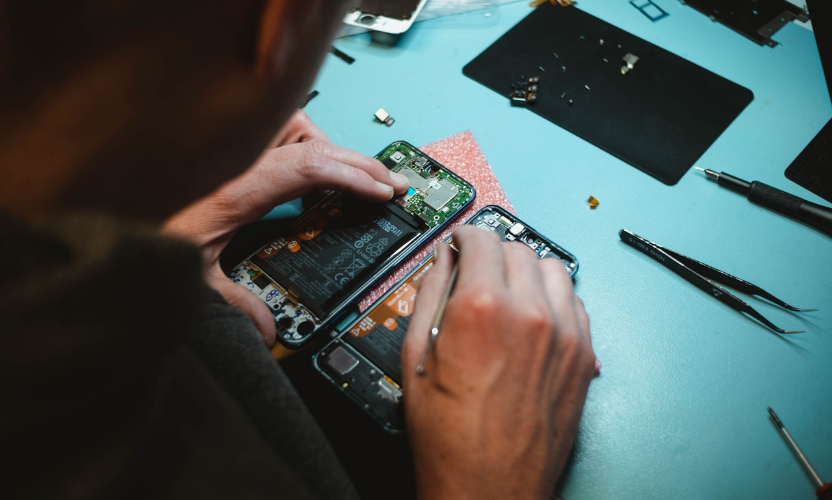
Another important point in 2026: software support is better than it used to be. Many recent iPhones, Samsung Galaxy phones, and Google Pixels get longer update support than older generations, so repairing a good phone can add years of useful life.
Official manufacturer repair vs local repair shop: what’s the real difference?
People usually choose between:
Option A: Manufacturer repair centres
Examples include:
- Apple Store repair services
- Samsung Experience Store repairs
Typical pros:
- Genuine OEM parts
- Standardised testing
Typical cons:
- Higher pricing
- Longer waiting times or bookings
- You may be without your phone for days
Option B: A trusted local repair specialist (like Gadgets n Repair)
Typical pros:
- Faster turnaround (often same-day depending on model/stock)
- Competitive pricing
- Clear options for OEM vs high-quality aftermarket screens
- Friendly support if you have questions after repair
Typical cons:
- Quality depends on the shop, so check reviews, warranty terms, and parts transparency
Practical advice: If you rely on your phone daily, speed and clarity matter. A trusted local repair service can save you time and stress.
How long does screen repair take?
For many common models, screen repair can be completed quickly once parts are available. Some repairs can be done within about an hour, while others take longer depending on the model and the repair method.
Manufacturer services may involve booking, shipping, or waiting for a slot, so you could be without your phone for several days.
When replacing the phone makes more sense
Sometimes replacement is the better move. Consider replacing if:
- The screen repair cost is very close to the phone’s resale value
- The phone has multiple issues (battery + charging port + screen)
- The phone has severe water damage and is unstable
- You were planning to upgrade anyway and a repair won’t add enough value
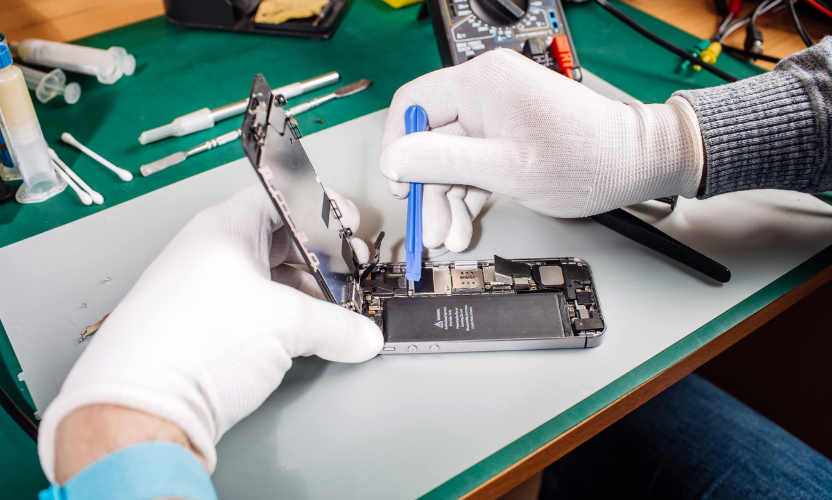
Even then, it can be worth getting a quick diagnosis first, because what looks like a “dead phone” might just be a display issue.
What to do before you book a screen repair
To avoid overpaying or getting poor parts, ask these quick questions:
- Is the price for screen repair only, or does it include frame/adhesive/seals?
- Is the screen OEM or aftermarket, and what’s the difference in cost?
- Do you offer a warranty on parts and labour?
- How long will the repair take, and will I be without the phone?
- Will Face ID / Touch ID / fingerprint scanning still work properly after repair?
A good repair centre will answer these clearly without pushing you.
FAQs
1) How much is it to repair a phone screen in the UK in 2026?
Most repairs fall roughly between £60 and £485 depending on brand, model, and screen type. Many people quote an “average” around £215, but your phone model is what really decides the price.
2) Is iPhone screen repair more expensive than Samsung screen repair cost?
It depends on the exact model. Premium iPhone OLED screens and Samsung AMOLED screens can both be expensive, especially on Pro/Ultra devices.
3) Why are OLED and AMOLED screen repairs more expensive than LCD?
OLED/AMOLED panels are premium displays, and the parts cost more. Installation can also require extra care to maintain proper fit and function.
4) Is it worth fixing a cracked screen or replacing the phone?
If the repair cost is less than half the cost of a similar new phone, repairing is usually better, especially if the phone still runs well and gets updates.
5) How long does a screen replacement take?
Many repairs can be done the same day once parts are available. Some models are fast, while others take longer due to design and complexity.
6) Should I use an Apple Store / Samsung Experience Store or a local repair shop?
Manufacturer services often use OEM parts but can cost more and take longer. Book trusted local shop like Gadgets n Repair for faster, more flexible, and strong quality and warranty options.